.webp)
.webp)
How Predictive Maintenance Reduces Downtime?

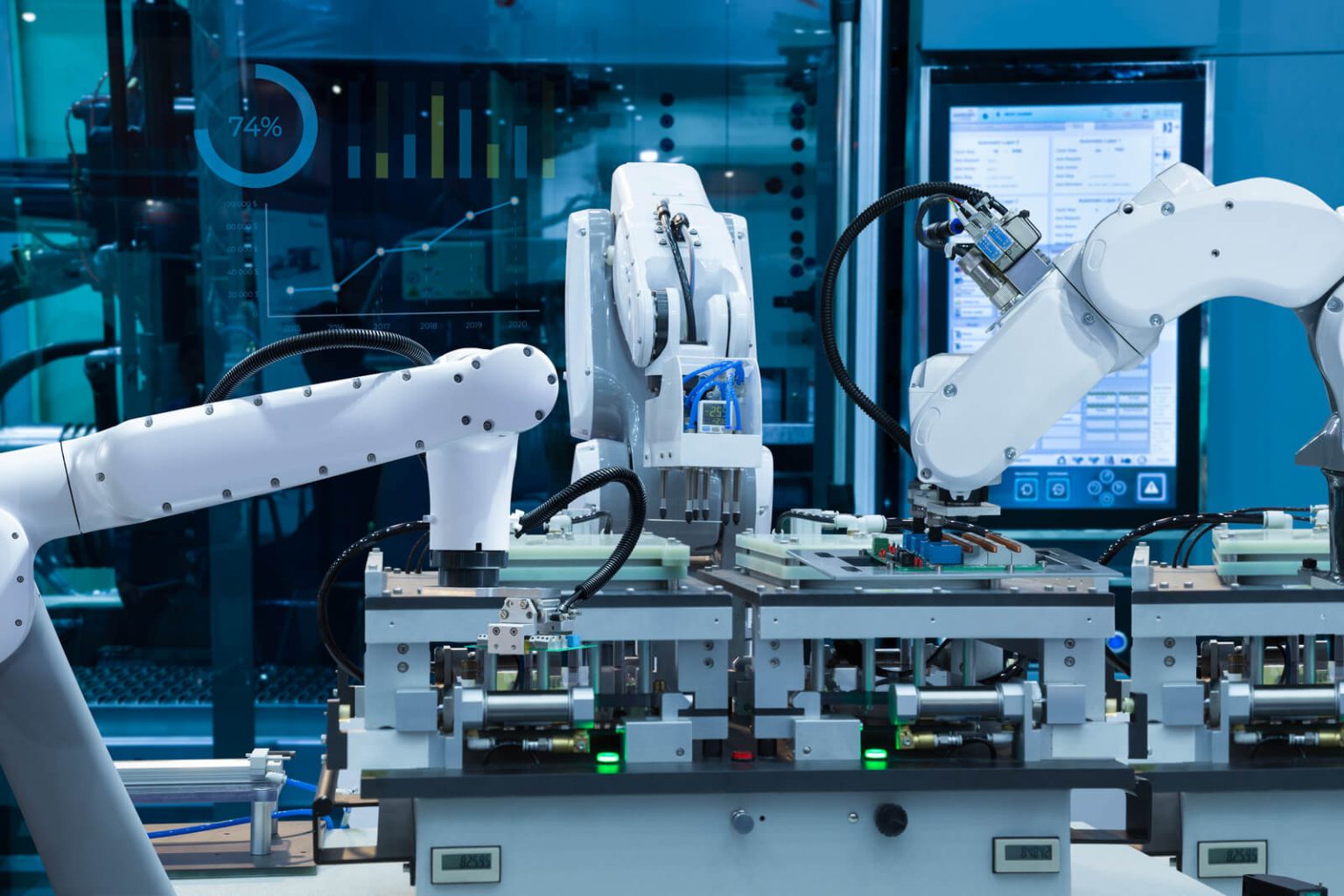
Predictive maintenance reduces downtime by using real-time data and analytics to identify equipment issues before failures occur. Sensors and monitoring tools detect wear, performance changes, or abnormalities early, allowing repairs to be scheduled in advance. This prevents unexpected breakdowns, shortens repair time, and keeps operations running efficiently.
What Is Predictive Maintenance?
Predictive maintenance is a smart way to take care of machines. Instead of waiting for something to break or fixing things on a schedule, you watch your equipment closely and fix problems right when they start to show up.
Think of it like going to the doctor for a check-up before you get sick. You catch small problems early, so they don't turn into big, expensive ones later.
How It's Different from Other Maintenance Types
There are three main ways companies fix their equipment.
Reactive Maintenance means you wait until something breaks, then you fix it. This is like waiting for your car to stop working on the highway. It's the worst option because it causes surprise stops and big repair bills.
Preventive Maintenance means you fix things on a set schedule. You might check your machines every month, whether they need it or not. This is better than reactive maintenance, but you waste time fixing things that aren't broken yet.
Predictive Maintenance is the smartest choice. You only fix things when your data tells you there's a problem coming. This saves time, money, and keeps your business running smooth.
The Technology Behind Predictive Maintenance
Predictive maintenance uses special sensors that sit on your machines. These sensors watch things like how hot the machine gets, how much it shakes or vibrates, strange sounds or noises, how much power it uses, and pressure levels inside.
All this information goes to a computer system that looks for patterns. When something changes from normal, the system sends you a warning. You can then fix the small problem before it becomes a big breakdown.
Managed IT services help businesses set up and manage these smart monitoring systems.
How Predictive Maintenance Stops Equipment Breakdowns
The biggest way predictive maintenance reduces downtime is by catching problems early. Let's look at how this works in real life.
Early Problem Detection Saves the Day
Machines give warning signs before they break. A bearing might start to vibrate more. A motor might get hotter. A pump might lose pressure slowly.
Without predictive maintenance, workers might not notice these small changes. The machine keeps running until boom - it breaks completely. Now you have a big emergency, production stops, and you lose money every minute the machine is down.
With predictive maintenance, sensors catch these warning signs right away. You get an alert that says "bearing temperature up 10 degrees" or "vibration levels increased." You can schedule a repair during your next planned break, and the machine never stops working when you need it.
Studies show predictive maintenance can cut unplanned downtime by up to 50%. That's huge for any business that depends on machines.
Real-Time Monitoring Keeps You Informed
The best part about predictive maintenance is it never sleeps. Your sensors watch your equipment 24 hours a day, 7 days a week. Even when your workers go home, the system keeps watching.
If something goes wrong at 2 AM, you'll get an alert on your phone. You can check the problem remotely and decide if it needs immediate attention or if it can wait until morning.
This real-time watching means you're never surprised by a breakdown. You always know what's happening with your machines.
Smarter Repair Scheduling
When you know exactly what's wrong before you start a repair, you save tons of time. Your maintenance team can order the exact parts they need ahead of time, bring the right tools to the job, know how long the repair will take, and schedule the work when it causes the least disruption.
No more guessing. No more multiple trips to fix one problem. No more waiting days for parts to arrive while your machine sits broken.
Managed IT department services can help coordinate these repair schedules with your business systems.
The Cost Savings Are Real and Measurable

Let's talk money. Predictive maintenance isn't just about avoiding breakdowns. It's about saving your company serious cash.
Downtime Costs Add Up Fast
When a machine breaks, you lose more than just repair costs. You lose money from products you can't make, wages paid to workers who can't work, rush fees for emergency parts, overtime pay for emergency repairs, and customer trust when you miss deadlines.
Research shows that unplanned downtime costs industrial companies $50 billion every year. For a single factory, one hour of downtime can cost over $260,000.
Predictive maintenance helps avoid these massive costs by preventing the breakdowns in the first place.
Lower Maintenance Expenses
Predictive maintenance cuts your maintenance costs by 10% to 40%. Here's how.
First, you only fix things that actually need fixing. You're not wasting money replacing parts that still have years of life left.
Second, small repairs are cheaper than big ones. Replacing a $50 bearing is much cheaper than replacing a $10,000 motor that broke because the bearing failed.
Third, you avoid emergency repair costs. Emergency repairs cost 3 to 5 times more than planned repairs. You pay rush shipping on parts, overtime wages, and sometimes hire outside contractors at premium rates.
Equipment Lasts Longer
When you catch and fix small problems early, your equipment lasts longer. A well-maintained machine can run for 20% to 40% longer than one that's neglected or only gets reactive repairs.
This means you delay expensive equipment replacements. If a machine costs $100,000 and you can extend its life by 5 years, that's huge savings.
Healthcare providers especially benefit from this, as medical equipment is extremely expensive to replace.
Industries Getting the Biggest Benefits
Predictive maintenance works in almost any business with machines. But some industries see bigger benefits than others.
Manufacturing Plants Lead the Way
Factories were the first to adopt predictive maintenance on a large scale. When a production line stops, it can cost $20,000 to $50,000 per hour.
Manufacturing companies use sensors on assembly line robots, conveyor belts, CNC machines, hydraulic systems, and cooling systems.
Major manufacturers report cutting their downtime by 30% to 50% after adding predictive maintenance. They also see 15% to 25% lower maintenance costs.
Energy and Utilities Keep Power Flowing
Power plants, wind farms, and oil refineries use predictive maintenance to avoid blackouts and dangerous situations.
Wind turbines in remote locations are perfect for predictive maintenance. Sensors watch the gears, blades, and generators. When something needs attention, crews can plan their trip and bring the right parts. This is much better than climbing the tower every month for a check that might not be needed.
Energy companies report that predictive maintenance helps them avoid critical failures that could cause power outages affecting thousands of people.
Transportation and Logistics Stay Moving
Airlines use predictive maintenance on jet engines. Sensors track thousands of data points during every flight. The system can predict when an engine part will fail weeks or months in advance.
Shipping companies put sensors on trucks and delivery vehicles. They track engine health, tire pressure, and brake wear. This prevents breakdowns that would delay deliveries and upset customers.
Fleet managers see 20% to 30% fewer breakdowns after implementing predictive maintenance systems.
Healthcare Facilities Protect Patients
Hospitals can't afford to have critical equipment fail. An MRI machine, CT scanner, or ventilator breaking down could put patients at risk.
Predictive maintenance on medical equipment means tests and procedures aren't cancelled, patients get timely care, equipment is always ready in emergencies, and expensive machines last longer.
Manufacturing businesses also rely heavily on predictive systems to maintain compliance and avoid production delays.
Setting Up Predictive Maintenance in Your Business
Ready to start using predictive maintenance? Here's how to do it step by step.
Step 1: Pick Your Most Important Equipment
Don't try to monitor everything at once. Start with the equipment that costs the most when it breaks down, is critical to your operations, has a history of problems, or is expensive to replace.
Maybe it's your main production machine. Maybe it's your HVAC system. Maybe it's your delivery trucks. Choose 1 to 3 machines to start with.
Step 2: Choose the Right Sensors and Tools
Different machines need different sensors. Work with an expert to pick the right ones. Common sensor types include vibration sensors for motors, pumps, and rotating equipment that catch bearing problems, misalignment, and balance issues. Temperature sensors work for motors, electronics, and any equipment that generates heat, as hot spots often mean trouble is coming.
You'll also need software to collect and analyze all this sensor data. Many systems now include artificial intelligence that learns what's normal for your equipment and alerts you to anything unusual.
Technology solutions experts can help you choose the right equipment for your needs.
Step 3: Install and Connect Everything
Install your sensors on the equipment you've chosen. Most modern sensors are wireless, so installation is easier than you might think.
Connect your sensors to your monitoring system. This might be a cloud-based platform you access through a web browser, or it might be software installed on your company's servers.
Make sure your team can access the system from their phones and computers. Alerts don't help if people can't see them.
Step 4: Set Your Alert Levels
Work with your maintenance team to set alert levels. If a motor normally runs at 150 degrees, you might set an alert for 170 degrees.
Start conservative. It's better to get a few false alarms at first than to set your alerts too high and miss real problems.
As you gather more data, you'll fine-tune these settings to match your specific equipment and conditions.
Step 5: Train Your Team
Your maintenance team needs to understand how to read the alerts, what different alerts mean, how to respond to each type of problem, and how to update the system when repairs are done.
Schedule regular training sessions. Make sure everyone knows how to use the system.
Step 6: Track Your Results
Keep records of how many breakdowns you prevent, how much downtime you avoid, money saved on repairs, and how long equipment lasts.
After 6 months, review your results. You should see clear improvements in uptime and cost savings.
Structured cabling solutions ensure your sensors and monitoring systems stay connected reliably.
Common Challenges and How to Solve Them
Starting with predictive maintenance isn't always smooth. Here are problems you might face and how to fix them.
Challenge 1: High Startup Costs
Sensors, software, and installation cost money upfront. This stops some businesses from starting.
Solution: Start small. Monitor just your most critical equipment first. Calculate the cost of one major breakdown - you'll probably see that predictive maintenance pays for itself after preventing just one or two failures.
Many companies offer payment plans or subscription models that spread the cost over time. This makes it easier to fit into your budget.
Challenge 2: Too Much Data
Your sensors will generate tons of information. It can be overwhelming.
Solution: Use software with built-in artificial intelligence. Modern systems automatically filter the data and only alert you to real problems. You don't need to watch charts and graphs all day.
Good software shows you simple dashboards with easy-to-understand information. Green means everything is fine. Yellow means watch this. Red means fix this now.
Challenge 3: Team Resistance
Your maintenance team might resist change. They're used to doing things a certain way.
Solution: Involve your team from the start. Ask for their input on which equipment to monitor first. Show them how the system will make their jobs easier, not harder.
Emphasize that predictive maintenance doesn't replace their skills - it makes them more effective. They'll spend less time firefighting emergencies and more time doing quality maintenance work.
Challenge 4: Integration with Existing Systems
You might worry about connecting new sensors to your old equipment or existing software.
Solution: Modern predictive maintenance systems are designed to work with almost any equipment. Sensors attach externally, so you don't need to modify your machines.
Many systems also integrate with common business software like work order systems, inventory management, and scheduling tools.
Managed IT services with advanced security can help ensure all your systems work together safely.
The Technology Making It All Work
Let's look at the cool technology behind predictive maintenance and how it keeps getting better.
Internet of Things (IoT) Sensors
IoT sensors are the eyes and ears of predictive maintenance. These small devices attach to your equipment and constantly measure things like temperature, vibration, and pressure.
The latest sensors are wireless so they're easy to install, battery-powered so they don't need electrical work, waterproof and dustproof for harsh environments, and accurate to within tiny fractions.
Some sensors can run for 5 to 10 years on a single battery. They send data every few seconds or minutes, depending on what you're monitoring.
Artificial Intelligence and Machine Learning
AI is what makes predictive maintenance truly "predictive." The system learns what's normal for each piece of equipment. Then it spots patterns that humans would miss.
For example, AI might notice that vibration increases slightly every time temperature goes up. It learns this pattern. Then when it sees vibration going up without temperature changing, it knows something is wrong.
Machine learning gets smarter over time. The more data it collects, the better it gets at predicting problems.
Cloud Computing
Most modern predictive maintenance systems use cloud computing. This means your data is stored safely online, you can access it from anywhere, the system updates automatically, you don't need expensive servers in your building, and multiple people can view the data at the same time.
Cloud systems also make it easy to compare data across different locations. If you have factories in different cities, you can see how all your equipment is performing from one dashboard.
Mobile Apps
You can check your equipment's health from your phone. Get alerts no matter where you are. Review reports while you're away from the office.
Mobile apps let you approve work orders, view live sensor data, check maintenance history, assign tasks to technicians, and take photos and add notes.
This keeps everyone connected and informed.
Wireless network solutions ensure your predictive maintenance system stays connected everywhere in your facility.
Real Success Stories from Real Companies
Let's look at some actual results companies have achieved with predictive maintenance.
Manufacturing Company Cuts Downtime by 27%
A mid-size manufacturing company was losing $40,000 every time their main production line went down. Breakdowns happened 3 to 4 times per month.
They installed vibration and temperature sensors on critical motors and bearings. The system caught problems an average of 2 weeks before failure.
After one year, unplanned downtime dropped 27%, maintenance costs fell 19%, production increased because of fewer interruptions, and equipment life extended by an estimated 15%.
The system paid for itself in just 8 months.
Wind Energy Company Saves Millions
A wind energy provider managed 200 turbines spread across remote locations. Each time a turbine failed, it cost $25,000 in repairs plus lost power generation.
They added sensors to monitor gearboxes, generators, and blades on all turbines. The predictive system could spot problems weeks in advance.
Results after 18 months showed 35% fewer emergency repairs, better planning of maintenance during low-wind periods, 22% increase in power generation, and $2.3 million in savings.
The company also improved worker safety because fewer emergency repairs meant fewer dangerous trips in bad weather.
Hospital Keeps Critical Equipment Running
A large hospital had several expensive MRI and CT machines. When one failed, they had to cancel dozens of patient appointments and send people to other hospitals.
They implemented predictive maintenance on all imaging equipment. Sensors monitored electrical systems, cooling systems, and mechanical components.
After implementation, they saw zero unexpected equipment failures in first year, 40% fewer cancelled patient appointments, better patient satisfaction scores, and extended equipment life by 3 to 5 years.
Healthcare compliance requirements make reliable equipment even more critical.
The Future of Predictive Maintenance
Predictive maintenance is getting smarter and more powerful every year. Here's what's coming next.
More AI and Smarter Predictions
Future systems will predict problems months in advance instead of weeks. They'll automatically order replacement parts before you even know you need them.
AI will get better at understanding complex patterns across multiple machines. It might notice that when Machine A shows certain signs, Machine B usually has problems two weeks later.
Digital Twins
A digital twin is a virtual copy of your real equipment that exists in a computer. It uses all the data from your sensors to simulate how your equipment is performing.
You can test different scenarios on the digital twin without risking your real equipment. What happens if we run this machine faster? What if we change the maintenance schedule?
Digital twins help you optimize performance and predict problems even better.
Augmented Reality for Repairs
Imagine your technician puts on special glasses while working on a broken machine. The glasses show them exactly what's wrong, which parts to replace, and step-by-step repair instructions.
This technology is already being tested. It will make repairs faster and reduce mistakes.
Edge Computing
Instead of sending all sensor data to the cloud, more processing will happen right at your facility. This "edge computing" means faster alerts (milliseconds instead of seconds), less data bandwidth needed, systems that work even if internet goes down, and better security for sensitive data.
Government contractors will especially benefit from edge computing's improved security.
Getting Started: Your Action Plan
Ready to implement predictive maintenance? Here's your action plan.
Month 1: Assess and Plan
List your most critical equipment. Calculate current downtime costs. Research predictive maintenance providers. Set a budget. Choose your pilot equipment.
Month 2: Select and Purchase
Get quotes from 3 different vendors. Choose your sensors and software. Purchase equipment. Schedule installation. Begin team training.
Month 3: Install and Configure
Install sensors on pilot equipment. Set up software and alerts. Test the system. Train all relevant staff. Create response procedures.
Months 4-6: Monitor and Adjust
Watch for alerts. Respond to warnings. Track all prevented failures. Fine-tune alert settings. Document cost savings.
Month 6+: Expand and Optimize
Add more equipment to the system. Share results with leadership. Increase budget based on ROI. Expand to additional locations. Continuously improve processes.
Complete compliance services can help ensure your predictive maintenance system meets all industry regulations.
Frequently Asked Questions
How much does predictive maintenance cost to implement?
Costs vary widely based on how much equipment you're monitoring and which system you choose. A small business might start for $5,000 to $10,000. Larger operations might invest $50,000 to $100,000 or more. However, most companies see positive return on investment within 6 to 12 months because of avoided downtime and lower repair costs. Start small with your most critical equipment to minimize initial costs while proving the value.
Can predictive maintenance work with old equipment?
Yes! That's one of the best things about modern predictive maintenance. Most sensors attach externally to your equipment, so you don't need to modify anything. Wireless sensors can monitor equipment from the 1970s just as well as brand new machines. The sensors watch temperature, vibration, and other external signs that work regardless of the equipment's age. In fact, older equipment often benefits more because it's more likely to have problems.
How long does it take to see results?
Most companies start seeing benefits within the first 3 to 6 months. You might prevent your first major breakdown in the first month, which could pay for the entire system immediately. The longer you run predictive maintenance, the better it gets because the AI learns more about your specific equipment. Full optimization usually takes 12 to 18 months, but you'll see measurable improvements much sooner.
Do I need a big IT department to run this?
No. Modern predictive maintenance systems are designed for easy use. Many are cloud-based, meaning the vendor handles all the technical backend work. You just log in through a web browser or phone app. Setup and training typically take a few days to a few weeks. Many vendors offer ongoing support and can help with any technical issues. If you have managed IT services, they can help integrate the system with your other business software.
What if I get too many false alarms?
False alarms are common when you first start because the system is still learning what's normal for your equipment. Work with your vendor to adjust alert thresholds. Most systems let you set multiple levels - a yellow warning for minor issues and a red alert for serious problems. After a few months of data collection, the AI gets much better at distinguishing real problems from normal variations. Good systems have false alarm rates under 5% once properly tuned.
Final Thoughts
Predictive maintenance reduces downtime by catching problems before they cause breakdowns. The technology is proven, affordable, and keeps getting better.
Companies using predictive maintenance see 30% to 50% less unplanned downtime. They save 10% to 40% on maintenance costs. Their equipment lasts 20% to 40% longer. These aren't just nice benefits - they're the difference between staying competitive and falling behind.
The best time to start was yesterday. The second best time is today. Start with just one or two critical machines. Prove the value. Then expand from there.
Don't let another costly breakdown happen when you could have prevented it. The tools are available. The technology works. Your competitors might already be using it.
Take the first step today. Contact a managed IT provider to discuss how predictive maintenance can work for your business. Your future self will thank you when your equipment keeps running smoothly while your competitors deal with surprise breakdowns and angry customers.
Remember: every hour of downtime you prevent is money saved and problems avoided. Predictive maintenance isn't just about fixing machines - it's about protecting your business, your team, and your customers.



.webp)



Share Post